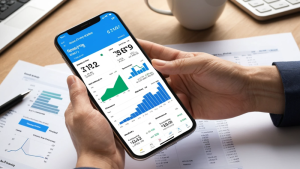
Cryptocurrency investment tips that help beginners and smart investors reduce risk, grow steadily, and invest with confidence in any market.
Cryptocurrency investment tips focus on managing risk, choosing strong projects, thinking long-term, and avoiding emotional decisions. Smart investors research deeply, diversify wisely, protect their assets, and invest only what they can afford to lose. Success comes from patience, discipline, and continuous learning.
Have you ever wondered why some people grow wealth with crypto while others lose sleep and money? 🤔
The difference usually isn’t luck. It’s strategy, mindset, and knowing what not to do. Let’s break it all down in a simple, real-world way.
Cryptocurrency Investment Tips 🚀
Understand What Cryptocurrency Really Is 🧠
Cryptocurrency is digital money secured by cryptography. It runs on blockchain technology, not banks. That means no middlemen and full transparency. But it also means you are responsible for your decisions.
Many beginners treat crypto like a lottery ticket. That’s risky. Crypto is better seen as a long-term technology investment. When you understand this, your decisions improve fast.
Think of crypto as early internet stocks. Some will fail. Some will change the world. Your job is to spot quality, not hype.
Know Your Investment Goals First 🎯
Before buying anything, ask yourself one simple question. Why am I investing? Your answer shapes everything else. Goals help control emotions during market swings.
Some people want short-term profits. Others want long-term wealth. Both are fine, but they require different strategies. Mixing them causes mistakes.
Clear goals also define how much risk you can handle. No goal equals random decisions. Random decisions usually lose money.
Start With Money You Can Afford To Lose 💸
Crypto markets move fast and hard. Prices can drop 20% in a day. That’s normal here. Investing rent money or savings adds stress and bad decisions.
Always invest disposable income only. This keeps emotions calm. Calm investors make better choices.
A good rule is simple: if losing it hurts your life, don’t invest it. Peace of mind matters more than profits.
Learn The Difference Between Coins And Tokens 🔍
Coins like Bitcoin run on their own blockchain. Tokens are built on existing blockchains like Ethereum. This difference matters more than people think.
Coins often focus on security and decentralization. Tokens usually power apps or platforms. Each has unique risks and rewards.
Understanding this helps you judge value better. It also helps you avoid scam projects pretending to be “the next Bitcoin.”
Research Projects Beyond Price Charts 📊
Price alone tells you nothing. Real value comes from utility, team, and adoption. Always dig deeper before investing.
Look at the problem the project solves. Check the team’s background. See if real users exist. Strong fundamentals beat hype every time.
Here’s a simple checklist to guide your research:
- Clear use case
- Active development
- Transparent team
- Growing community
Focus On Market Cycles ⏳
Crypto moves in cycles. There are bull markets and bear markets. Smart investors respect both.
During bull markets, prices rise fast. Greed grows. During bear markets, fear takes over. That’s when opportunities appear.
Understanding cycles helps you avoid buying tops and selling bottoms. Patience during downturns often brings the biggest rewards.
Diversify But Don’t Overdo It 🧩
Diversification reduces risk. But too many coins dilute focus. Balance matters.
A smart portfolio often includes a mix of large, mid, and small-cap projects. Each plays a role. Large caps offer stability. Smaller ones offer growth.
Here’s a balanced example:
| Asset Type | Purpose | Risk Level |
| Bitcoin | Store of value | Low |
| Ethereum | Smart contracts | Medium |
| Altcoins | Growth potential | High |
Avoid Emotional Trading 😌
Fear and greed destroy portfolios. Emotional trading leads to chasing pumps and panic selling.
Successful investors follow plans. They don’t react to every tweet or rumor. Discipline beats excitement.
If emotions rise, step away. No trade is better than a bad trade. Remember, crypto markets run 24/7. Opportunities never disappear.
Use Dollar-Cost Averaging 📅
Dollar-cost averaging means investing fixed amounts regularly. This strategy reduces timing risk. It’s perfect for beginners.
Instead of guessing market bottoms, you spread purchases over time. This smooths price volatility. It also reduces stress.
Many long-term investors swear by this method. It turns chaos into consistency.
Secure Your Crypto Properly 🔐
Security is non-negotiable. If you lose access, there’s no customer support. That’s the reality of crypto.
Use hardware wallets for large holdings. Enable two-factor authentication everywhere. Never share private keys.
Here’s a simple security comparison:
| Storage Type | Best For | Safety Level |
| Exchange | Trading | Medium |
| Software Wallet | Daily use | Medium |
| Hardware Wallet | Long-term storage | High |
Understand Risk Management 📉
Risk management protects capital. Without it, profits disappear fast. Always define how much you’re willing to lose.
Many investors use position sizing. This means limiting how much money goes into one asset. It keeps losses manageable.
A common rule is risking only 1–5% per trade. Survival matters more than winning big.
Don’t Chase Hype Or Influencers 📢
Social media moves markets. But influencers often sell before followers buy. That’s the hard truth.
Hype creates short-term pumps. Long-term value comes from real adoption. Ignore flashy promises and guaranteed returns.
If something sounds too good to be true, it usually is. Trust data, not noise.
Understand Taxes And Regulations 📄
Crypto taxes exist, whether people like it or not. Ignoring them causes trouble later. Each country has different rules.
Track every trade. Keep records from day one. Use tools if needed. It saves headaches during tax season.
Regulations may change, but compliance protects your gains. Smart investors plan ahead.
Learn From Mistakes, Not Just Wins 📘
Losses are part of crypto investing. Every investor faces them. The key is learning fast.
Review bad trades honestly. Ask what went wrong. Improve your strategy.
Mistakes teach more than wins. Growth comes from reflection and adjustment.
Build A Long-Term Mindset 🏗️
Quick profits are exciting, but sustainable wealth takes time. Long-term thinking reduces stress and improves returns.
Strong projects grow over years, not days. Patience filters out noise and emotional decisions.
Crypto rewards those who wait wisely. Time is a powerful ally.
Keep Learning As The Market Evolves 🌍
Crypto changes fast. New trends appear constantly. Staying informed is essential.
Follow updates, but don’t obsess. Choose quality information sources. Learning compounds like interest.
An educated investor adapts better. Adaptation keeps you ahead.
Use Tools To Stay Organized 🛠️
Tracking tools help manage portfolios. They provide clarity during volatility. Organization reduces emotional mistakes.
Good tools show allocations, profits, and risks clearly. This improves decision-making.
Structure beats chaos every time.
Balance Optimism With Realism ⚖️
Crypto offers huge potential. But it’s not magic money. Balance excitement with caution.
Believe in technology, not fantasies. Set realistic expectations. Steady growth beats wild dreams.
Confidence grows from preparation, not blind faith.
Conclusion 🌟
Cryptocurrency investing rewards patience, discipline, and learning. Smart investors manage risk, research deeply, and stay calm during volatility. Avoid hype, protect assets, and focus long-term. When strategy meets mindset, crypto becomes opportunity—not stress.
FAQs ❓
What are the safest cryptocurrency investment tips?
Start with money you can afford to lose. Focus on strong projects and long-term strategies. Always prioritize security.
How much money should beginners invest in crypto?
Begin with small amounts. Increase slowly as confidence grows. Never invest essential funds.
Is crypto investing good for long-term wealth?
Yes, if approached patiently. Long-term investing reduces emotional mistakes. Quality projects tend to grow over time.
How do I reduce risk in crypto investments?
Diversify wisely and manage position sizes. Use dollar-cost averaging. Avoid emotional decisions.
Can crypto investments fail completely?
Yes, some projects fail. That’s why research matters. Strong fundamentals lower this risk.